Cardo
Jerusalem
At a glance
Cardo is an archaeological landmark in Jerusalem’s Jewish Quarter, named after the Latin term for the principal north to south street in a Roman city. The street formed one of the main urban axes, alongside the east to west avenue known as the decumanus. This type of grid planning was adopted across the Roman world and shaped the layout of many ancient cities.
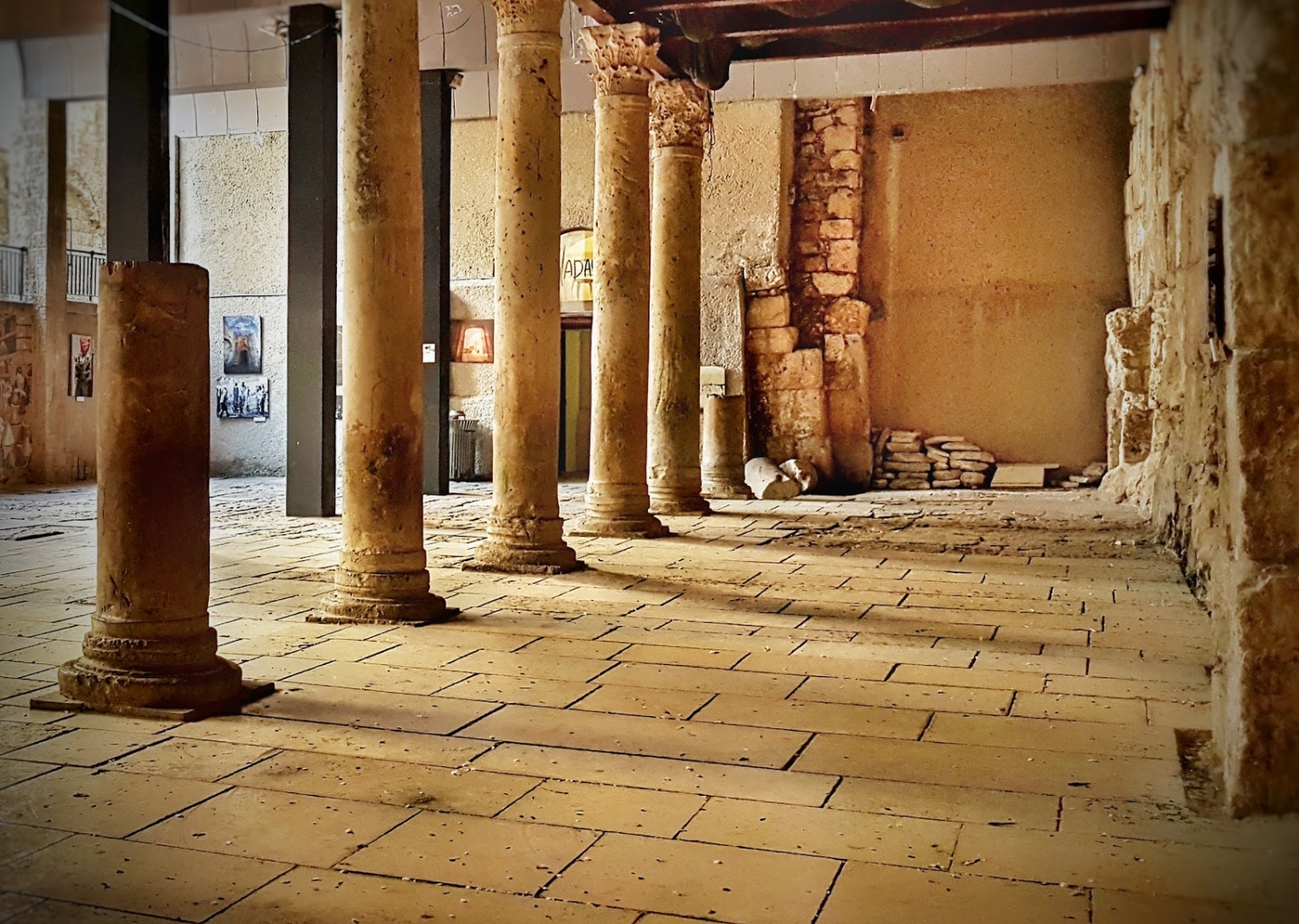
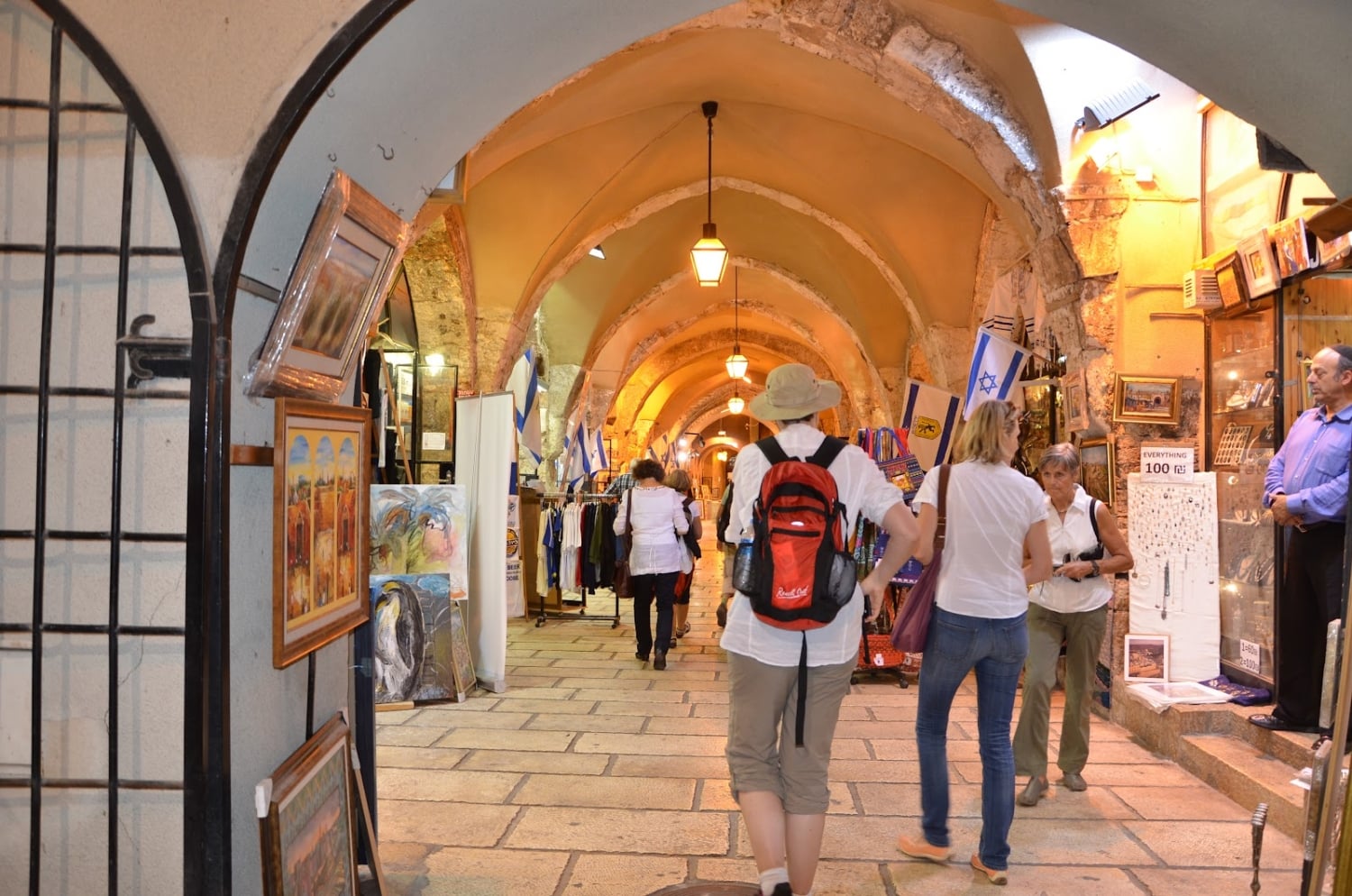
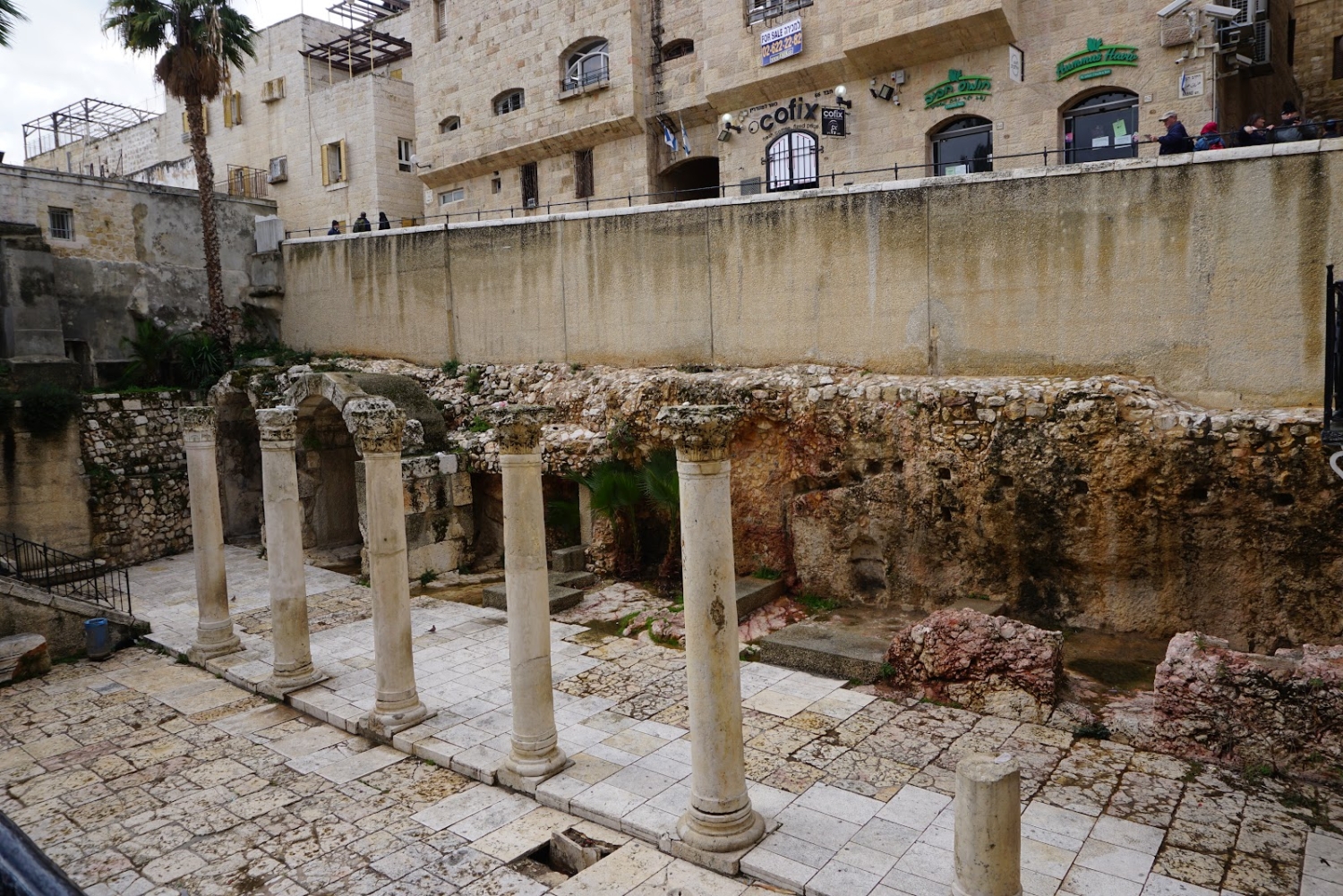
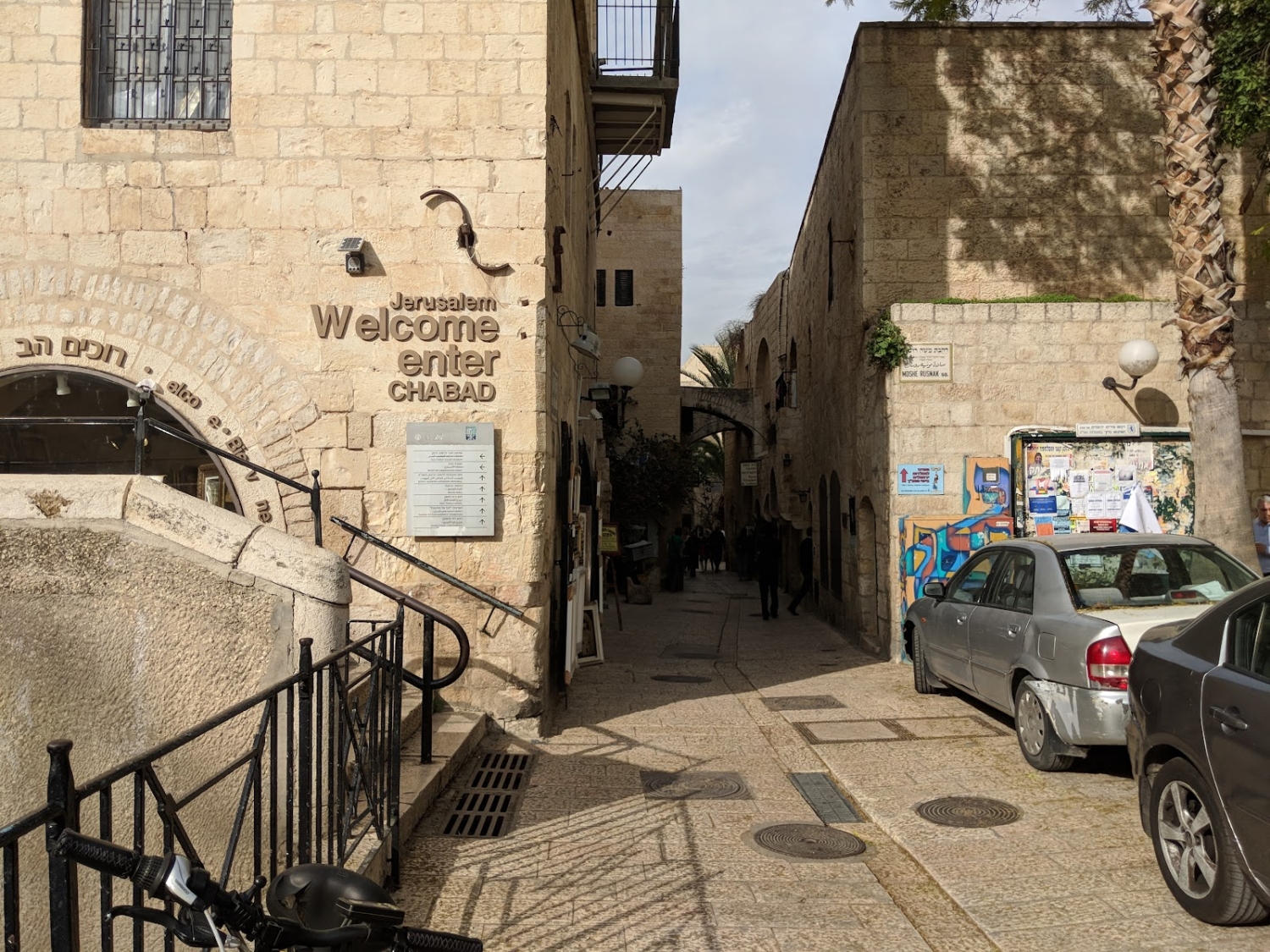
The western Cardo began near Damascus Gate during the Roman period and later extended towards Zion Gate during the Byzantine period. Excavations carried out in the Jewish Quarter uncovered a broad section of the Byzantine street between Habad Street and the Jewish Quarter’s central streets. The remains include a paved roadway, stone columns, shops, vaulted spaces and adjoining sidewalks.
The exposed street gives the site an architectural and archaeological character rather than the feel of a conventional modern attraction. Some of the paving stones still show simple game boards carved into their surfaces, offering a small indication of everyday activity in the ancient city. The scale of the roadway and the surviving columns also show how the Cardo functioned as a major commercial and civic route.
Mosaic is a central part of the Cardo’s renewed presentation. The covered section includes a reproduction of the Madaba Map and nine mosaics depicting shops and activities associated with the Byzantine-period street. Their imagery is based on historical evidence and reflects the kinds of commerce connected with the Cardo at that time. The use of mosaic also relates to a wider tradition found in many excavated buildings across the Jewish Quarter.
Cardo suits visitors interested in Jerusalem’s Roman and Byzantine history, urban planning, archaeology and visual heritage. It works as a focused stop within a walk through the Jewish Quarter, especially for those who want to connect the visible street remains with the city’s changing history. The combination of an ancient commercial thoroughfare, reconstructed architectural elements and explanatory mosaics gives the site a clear historical focus without turning it into a modern themed attraction.